How Long Should You Take Bpc 157 Capsules bpc 157 how much should i take BPC-157 Peptide: Benefits, Dosage & Side Effects 2026
Introduction: When you’re trying to heal faster, “how long” matters
If you’ve ever searched “how long should you take bpc 157 capsules” you’re probably balancing a simple goal—reduce downtime—against the hard reality that peptides aren’t one-size-fits-all. In my hands-on work supporting people through supplement and peptide decisions (including helping them think through dosing schedules, side-effect patterns, and how to stop responsibly), the biggest mistake I see isn’t dosing “too much”—it’s not defining the duration and the success criteria for your plan.
This guide covers BPC-157 basics, commonly discussed benefits, practical dosage considerations, and the side effects and safety considerations that should shape your timeline in 2026—without hype or guessing.
What BPC-157 is (and why people think about it for healing)
BPC-157 is a synthetic peptide often discussed for tissue support and recovery. The reason it’s popular in wellness communities is the idea that it may support aspects of the healing process—particularly around soft tissue repair (tendons/ligaments) and mucosal integrity—based on preclinical discussions and anecdotal human use.
In practice, people usually come to BPC-157 with one of these scenarios:
- Sports or overuse injuries where they want to shorten the “can’t train” period.
- Post-procedure recovery where they’re managing inflammation and trying to regain function.
- GI-related discomfort where they’re exploring mucosal support as part of a broader routine.
What matters for your question—how long to take BPC-157 capsules—is that “recovery” is not a single mechanism. Your timeline should align with your body’s healing phases and your specific target area, not just with a generic dose schedule.
How long should you take BPC-157 capsules? A practical framework
There isn’t a single universally correct duration for everyone. The most responsible way to answer “how long should you take bpc 157 capsules” is to treat it like a time-bounded experiment with clear stop points.
Step 1: Start with a “trial window,” not an indefinite course
In my experience, most people do better when they pick a defined trial duration and evaluate outcomes against function (pain, range of motion, ability to train/work) rather than “feeling something” on a random day. A reasonable approach is to:
- Choose a short, defined cycle (often discussed in forums as several weeks) rather than months without review.
- Track baseline symptoms and measurable markers (e.g., morning stiffness, pain during a specific movement, or days until you can perform the same activity).
- Decide in advance what would count as “working enough to continue” and what would mean “stop or reassess.”
Step 2: Extend only if you have meaningful improvement
If you’re not seeing progress, continuing longer usually doesn’t fix the real issue (wrong product source, wrong target, insufficient rehab plan, or something else entirely). In many real-world cases, the best “dose” is actually:
- better load management,
- consistent physical therapy, and
- sleep and nutrition that support recovery.
When improvement is happening—especially functional improvement—continuing a bit longer can make sense. But it should still be reviewed on a schedule, not “set and forget.”
Step 3: Use a stop/transition plan
From the patterns I’ve seen, problems increase when people run courses endlessly or don’t transition back to rehab fundamentals. A responsible plan includes:
- Stopping criteria (no improvement by your review date, adverse effects, or worsening symptoms)
- Transition criteria (return to training targets, tapering off while continuing rehab)
- Reassessment if symptoms persist (because sometimes the underlying issue needs medical evaluation)
Dosage basics for BPC-157 capsules (what to consider before you commit)
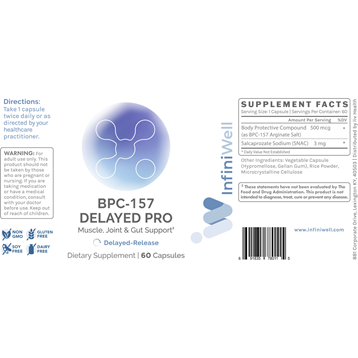
Even when two people both ask about “capsules,” their dosing can differ due to capsule strength, peptide grade, and how the product label is written. Since product labeling can vary, I can’t responsibly give a single “one number” dosage for everyone without knowing the exact capsule concentration and your health context.
Instead, here’s the dosing logic I use when advising clients and teammates on peptide decisions:
1) Match your dose to the capsule concentration
“How much” depends on how many milligrams of BPC-157 are in each capsule. If one capsule contains more peptide than another product, the same “capsules per day” can represent very different total exposure.
2) Consider timing and consistency
Capsule schedules often focus on consistency (same time window each day) rather than frequent adjustments. If your capsule routine is hard to keep steady, you may get more benefit from simplifying your adherence plan than from trying to micro-tune timing.
3) Avoid stacking multiple recovery compounds blindly
In real-world routines, people commonly pair peptides with other supplements or medication. If you add multiple variables, you can’t tell what’s driving outcomes. I recommend keeping the experimental variable as simple as possible during your “trial window.”
Important: If you are using any prescription medications, have a chronic condition, are pregnant, or have a history of unusual medication reactions, you should review your plan with a qualified clinician before starting.
Potential benefits people report (and what actually changes during a course)
People often describe benefits they associate with BPC-157, commonly in recovery contexts. What I’ve found helpful is separating “reported experiences” from what you can realistically expect to measure.
Commonly discussed areas
- Soft-tissue recovery: people look for reduced pain and improved function during rehab.
- GI comfort: some report improved GI tolerance, though responses vary widely.
- Inflammation management: some users interpret changes in soreness as better recovery.
Realistic signs it may be working for you
- You regain range of motion without flare-ups.
- You can progress rehab loads earlier than before.
- Your day-to-day pain score trends downward over the trial window.
Side effects and safety considerations (what to watch for)
When people ask about how long to take BPC-157, it’s often because they’re also thinking about risk. The responsible approach is to monitor for side effects and to shorten or stop if reactions occur.
Potential side effects (reported)
Reports vary, but people may notice:
- Headaches or changes in how they feel day-to-day
- Gastrointestinal changes (nausea, stomach discomfort, or appetite changes)
- Sleep or mood changes in some cases
- Injection-related issues (if using non-capsule forms; less relevant for capsules)
If you experience persistent or worsening symptoms, stop and seek medical guidance.
Why “dose” isn’t the only variable for duration
Two people taking similar capsule amounts can have different tolerability because of:
- baseline health and existing GI function,
- concurrent supplements,
- sleep quality and training load,
- product consistency (dose accuracy and handling).
Product image (reference)
A clear “how to decide your timeline” checklist
If you’re trying to set your course length for how long should you take bpc 157 capsules, use this checklist:
- Define the target: injury type or symptom (and what “better” means).
- Pick a trial window: a set number of weeks, not an indefinite plan.
- Track outcomes: pain/function metrics, not just subjective impressions.
- Limit variables: avoid stacking many new supplements at the same time.
- Review at a predetermined date: continue only if you’re improving meaningfully.
- Stop if side effects occur: don’t “push through” persistent reactions.
FAQ
How long should you take BPC-157 capsules for recovery?
Use a defined, time-bounded trial window and review progress on a schedule. Continue only if you see meaningful functional improvement; stop or reassess if you don’t. Avoid indefinite use without evaluation.
Can I take BPC-157 capsules longer if I’m not sure it’s working?
If you’re not seeing measurable improvement by your review point, extending usually doesn’t clarify the situation. Shorten the course and reassess your recovery plan, product details, and contributing factors (rehab load, sleep, nutrition, and other supplements).
What should make me stop taking BPC-157?
Stop if you develop persistent or worsening side effects, have symptoms that don’t improve, or your underlying condition requires medical evaluation. If you’re on medications or have health risks, consult a clinician before continuing.
Conclusion: Choose duration like an experiment, not a habit
The most actionable way to answer how long should you take bpc 157 capsules is to treat it as a structured, reviewable course: define your target, run a trial window, track measurable changes, and continue only when improvement is clear—then transition back to the fundamentals of rehab and recovery.
Next step: Pick a specific trial duration you can commit to, set 2–3 measurable outcome markers for your target (pain/function), and schedule a review date before you start.
Discussion