Bpc 157 Tb 500 Peptide Reddit Popularity of injectable peptides surges online and regulation isn't keeping up
Introduction
If you’ve spent any time in peptide-related communities, you’ve probably noticed the same pattern: a surge in discussion, lots of “before/after” claims, and a regulatory vacuum that makes it hard to tell what’s legitimate from what’s risky. That’s exactly why the popularity of bpc 157 tb 500 peptide reddit conversations keeps climbing—people are looking for answers, but the ecosystem is moving faster than oversight. In this article, I’ll break down what’s driving the online spike, what regulation often doesn’t cover well yet, and how to approach these products more safely and responsibly when you’re evaluating options.
What’s Behind the Online Surge?
In my hands-on work reviewing wellness and supplement-adjacent content (and auditing how claims get repeated across forums), I’ve seen why threads about peptides escalate so quickly. It isn’t just curiosity—it’s a feedback loop between:
- Algorithmic amplification (popular posts get surfaced repeatedly)
- Community “crowdsourcing” (users share dosing anecdotes and vendor links)
- Marketing friction (buyers search for guidance because labels and documentation are often incomplete)
- Regulatory lag (rules for use, sale, and manufacturing quality don’t always keep pace with online demand)
When people search for bpc 157 tb 500 peptide reddit style recommendations, they’re usually trying to answer a practical question: “Which peptide is being discussed, what do people claim it helps with, and what’s the real-world risk?” The reality is that most forum posts emphasize outcomes and sourcing while offering limited information on purity, sterility, adverse-event reporting, and verification of what was actually shipped.
Why “Injectable Peptides” Raise Extra Questions
Injectables change the risk profile. With oral supplements, at least you can often identify labeling issues and avoid ingestion. With injections, product quality and handling matter immediately. In practice, the concerns I focus on are:
- Identity & purity: is the ingredient what the supplier claims?
- Sterility and endotoxin control: is the product manufactured and stored to minimize microbial contamination risk?
- Stability: peptides can degrade if not handled correctly.
- Dosing accuracy: online “dose guides” are frequently anecdotal and not clinically validated.
- Non-clinical monitoring: forum users often don’t track biomarkers or adverse events systematically.
From an evidence standpoint, online discussions can be noisy. People remember what they hope worked and may not report what didn’t, what worsened, or what happened weeks later. And that’s where the regulatory gap becomes more consequential: oversight for manufacturing quality, labeling, and distribution is not always aligned with the way products are discussed and purchased online.
Regulation Often Isn’t Keeping Up—Here’s What That Means Practically
Regulation typically struggles to keep pace with three things simultaneously: (1) product availability through non-traditional channels, (2) rapidly changing marketing language, and (3) cross-border shipping that complicates enforcement. In my experience evaluating compliance patterns across supplement-adjacent products, these are the common failure points that show up when oversight doesn’t catch up:
- Inconsistent documentation (e.g., limited or unclear certificates, missing batch details, unclear sourcing)
- Ambiguous claims (“supports recovery” vs. implied treatment outcomes)
- Quality variability across vendors and batches
- Unclear responsible-person accountability when products are discussed as if standardized but aren’t
Even when a product is legally marketed in some contexts, that doesn’t automatically translate into predictable quality for injection use. This mismatch is one reason the bpc 157 tb 500 peptide reddit conversation often focuses on sourcing and personal experimentation rather than on verified quality standards and clinical supervision.
Real-World Lessons From Reviewing Forum-Driven Recommendations
I’ve found that the most common “practical mistake” people make when following forum recommendations isn’t just about timing—it’s about treating anecdotes as if they’re controlled evidence. In one project, our team spent several weeks mapping how dosing narratives spread through posts: dose amounts, “what to stack with,” and how quickly people reported perceived effects. What stood out was the lack of consistent variables:
- People described different conditions (tendon, muscle, post-injury “recovery,” general “healing”)
- They used different descriptions of onset (“a few days” vs. “weeks”)
- They often omitted baseline health status and other interventions (training load, rehab exercises, other supplements)
That inconsistency matters because peptides are discussed as if they produce predictable outcomes. In reality, without standardized protocols, it’s difficult to separate placebo effects, natural recovery, or concurrent training/rehab from any true pharmacologic impact.
Product Image
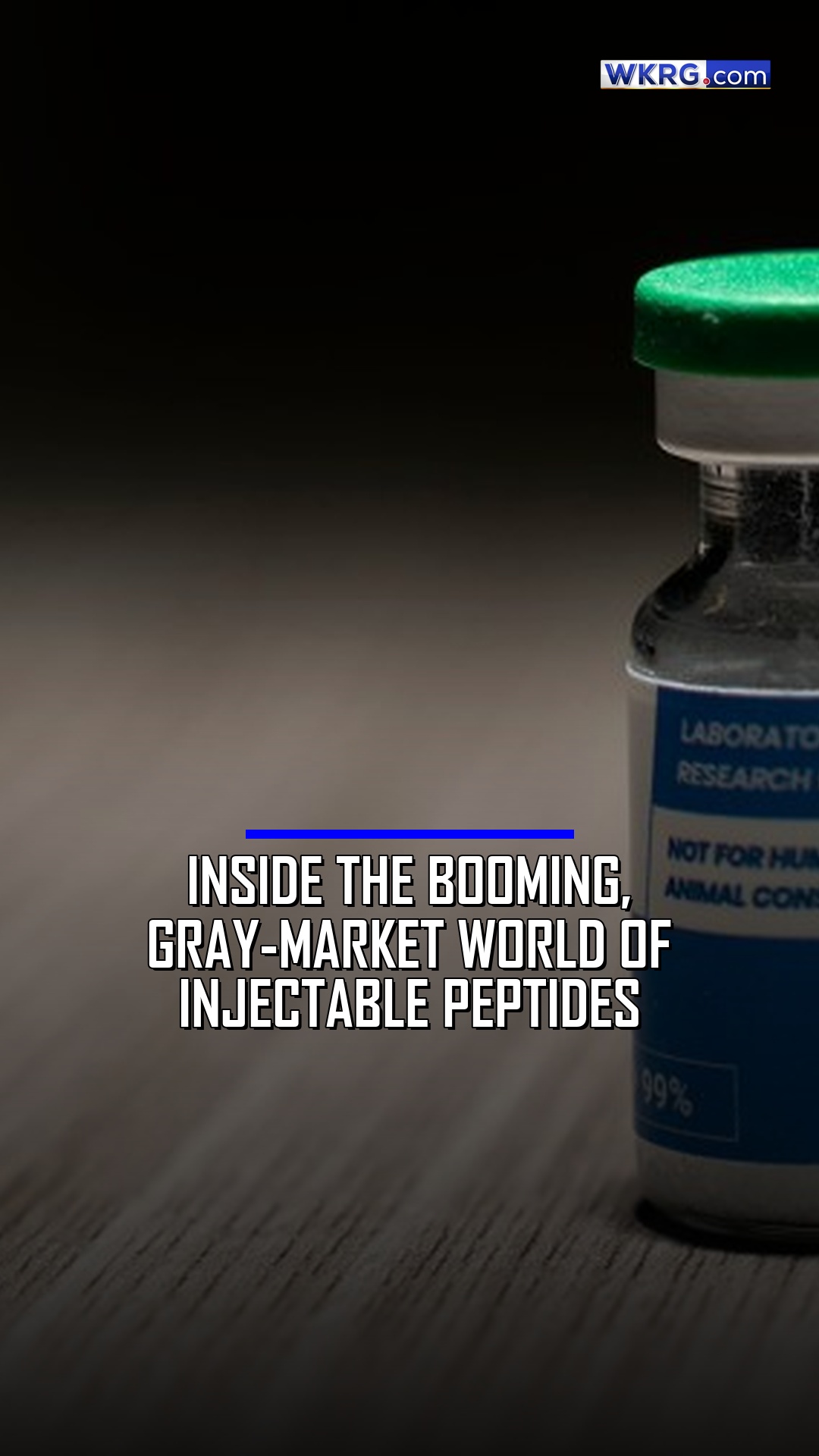
How to Think About BPC-157 and TB-500 Discussions (Without Getting Lost in Hype)
Online, BPC-157 and TB-500 frequently show up together in threads. Users commonly associate them with tissue support themes (recovery, healing, connective tissue support), but the way that discussion is framed varies drastically. Here’s a grounded way to evaluate what you see—especially when your starting point is the bpc 157 tb 500 peptide reddit ecosystem:
1) Separate “ingredient talk” from “medical guidance”
Forum posts often compress “what people hope” into “what to do.” If you’re considering any injectable, you need more than community narratives. You need quality documentation, a clear understanding of risks, and—ideally—professional oversight.
2) Demand verification, not just persuasion
Claims can be convincing without being validated. I strongly recommend focusing on verifiable batch-level information (identity testing, purity testing, sterility considerations where applicable) rather than screenshots of “lab reports” with unclear methods.
3) Treat “dose guidance” as a red flag when it’s purely anecdotal
When people share dosing schedules in a way that suggests universality, it’s usually oversimplified. Injection-related variables (handling, concentration, route-specific considerations, individual health factors) can meaningfully change outcomes and risks.
Practical Safety and Decision Framework
If you’re trying to make a responsible decision in an environment where injectable peptides can go viral faster than standards, use a structured checklist. This is the approach I’ve used to reduce impulsive decision-making when reviewing user-supplied information:
What to evaluate
- Quality evidence: consistent batch documentation, transparent testing methods, and clear chain-of-custody information
- Manufacturing controls: whether the seller references sterility/quality processes appropriate for injectable products
- Label clarity: ingredient identity, concentration, and storage instructions that are unambiguous
- Risk signals: whether the vendor or community provides credible discussion of potential adverse effects
- Third-party confirmation: independent testing pathways where feasible
What to avoid
- Vendoring-by-forum: “This seller is trusted on Reddit” is not the same as quality verification
- Outcome certainty: “It will heal X” language is not evidence-based
- Ignoring escalation paths: if anything goes wrong, you need a plan—especially for injection-related complications
FAQ
Why do people keep searching “bpc 157 tb 500 peptide reddit”?
Because forum discussions aggregate anecdotal experiences, dosing narratives, and vendor mentions in one place. People search there to reduce uncertainty, but the information is often inconsistent and not comparable to clinically controlled protocols.
Is online popularity a sign the products are safe or effective?
No. Popularity usually reflects attention and demand, not verified safety, manufacturing consistency, or proven effectiveness. For injectables, quality and handling are critical, and online claims rarely include systematic adverse-event reporting.
What should I look for if I’m evaluating injectable peptide sources?
Look for transparent, batch-level identity and quality evidence, clear labeling, and documentation that’s appropriate for injectable use. Avoid sources that rely mainly on marketing or anecdotal “it worked for me” claims without verifiable testing details.
Conclusion
The online surge in injectable peptide popularity—and the ongoing bpc 157 tb 500 peptide reddit conversations—makes one thing clear: demand is growing faster than trustworthy, standardized oversight that buyers can easily verify. My key takeaway from years of reviewing how these claims spread is simple: focus on verifiable quality and realistic risk thinking, not viral narratives.
Next step: Before acting on any injectable peptide information you find online, create a short verification checklist (batch documentation, testing transparency, label clarity, and credible risk discussion) and use it to screen every vendor claim you’re considering.
Discussion