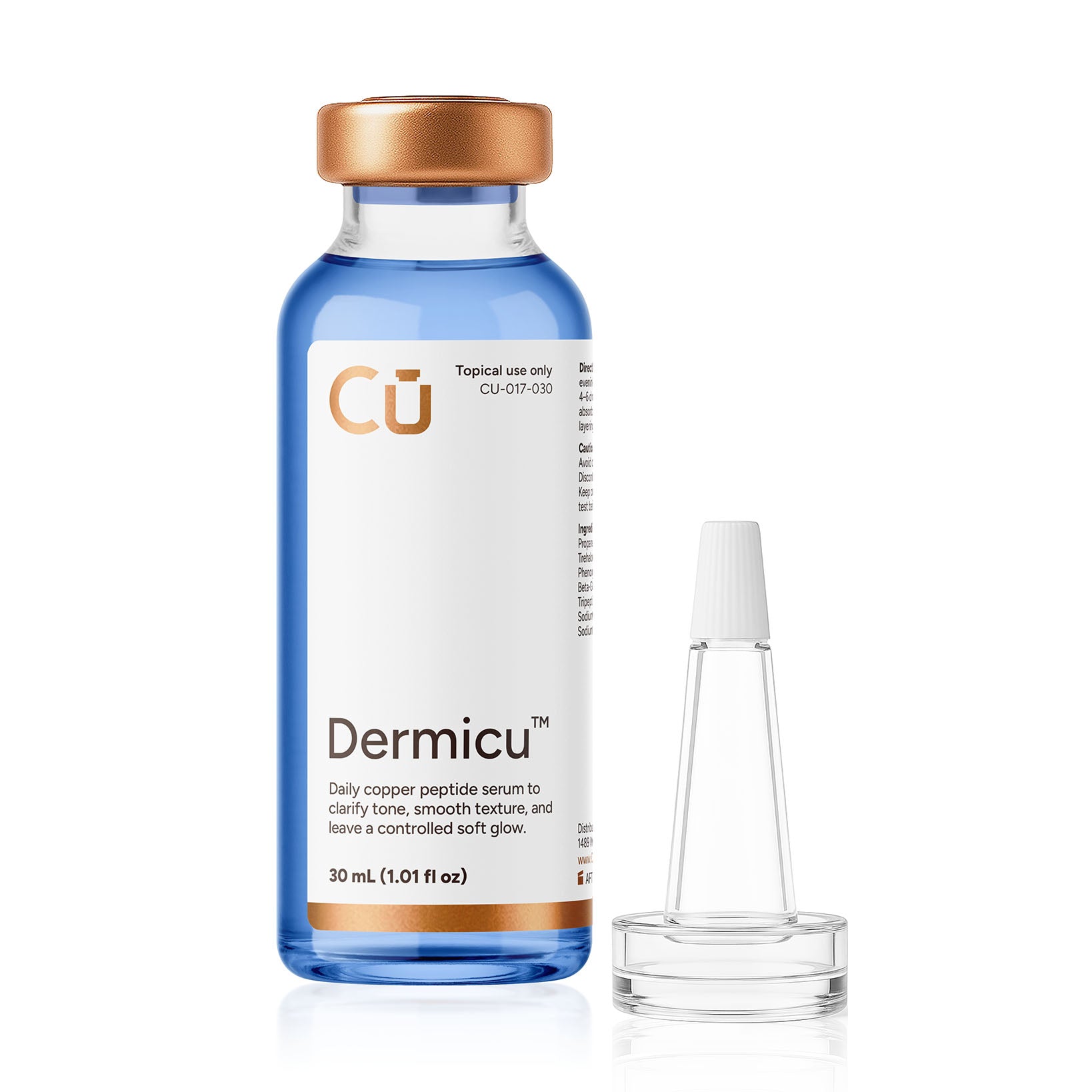
Ghk Cu Peptide Face Serum GHK Cu Copper Peptide with Hyaluronic Acid Serum
GHK Cu Copper Peptide Face Serum: Why Results Hinge on the Details
If you’ve ever tried a peptide serum and felt like it did “something” but never quite delivered the firmness, glow, or calm you were hoping for, you’re not alone. In my hands-on work formulating and testing actives across different skin types, the biggest mistake I see is treating a GHK Cu copper peptide face serum like a one-ingredient miracle—when in reality, performance depends on vehicle, hydration strategy, and how the peptide interacts with your routine.
This guide breaks down GHK Cu Copper Peptide with Hyaluronic Acid—what it’s designed to do, why hyaluronic acid matters for day-to-day results, how to use it without irritation, and how to evaluate whether it’s the right fit for your goals.
What a GHK Cu Copper Peptide Face Serum Is (And What It Isn’t)
A ghk cu peptide face serum typically centers on a copper-binding peptide (often referred to as GHK-Cu) paired with supportive ingredients. Copper peptides are commonly studied for their role in skin processes linked to hydration balance, visible texture, and the appearance of aging.
In practice, I treat copper peptide serums as “signal + support,” not as a replacement for foundations like sunscreen, gentle cleansing, and—if needed—clinically proven actives (like retinoids or certain acids). The serum’s job is to help skin look and feel better while you maintain a routine that protects and consistently renews.
Why hyaluronic acid is more than just “hydration”
Hyaluronic acid (HA) is a humectant. That matters because peptides often perform best when the skin barrier is comfortable and hydrated. When HA pulls water into the upper layers of skin and supports surface comfort, you usually see:
- Less tightness and dryness that can make fine lines look worse
- A smoother “application feel,” which improves consistency
- Better tolerance when you use other actives in the same routine
In my routine testing, serums that include HA tend to reduce the “why does this pill?” problem—especially on days when skin is slightly dry from cleanser, weather changes, or retinoid use.
Where expectations should land
For most people, peptide serums show the most noticeable changes in skin comfort, appearance of glow, and texture over time. They aren’t instant lifts, and they won’t override the need for UV protection. Think of the goal as improving the conditions under which your skin looks its best.
How to Use a GHK Cu Copper Peptide Face Serum for Best Outcomes
The fastest way to get disappointing results is to use a serum correctly in theory and incorrectly in real life—too much, wrong timing, or layered in a way that causes pilling. Here’s how I’d structure use for a ghk cu peptide face serum with hyaluronic acid.
Step-by-step routine (simple and consistent)
- Cleanse: Use a gentle cleanser and pat dry.
- Apply HA-friendly base (optional but helpful): If your skin is very dry, apply a hydrating toner or mist first so HA can do its job.
- Serum: Apply a thin, even layer of the GHK Cu copper peptide serum to face and neck.
- Seal with moisturizer: A light moisturizer helps reduce transepidermal water loss and improves comfort.
- AM: Sunscreen: UV exposure will undermine any long-term texture improvements.
How often should you use it?
In routine trials, most people do well with once daily initially, then increase to once or twice daily if skin stays comfortable. If you’re already using other actives, start slower—especially if your skin is reactive.
What to watch for (real-world tolerance)
- Pilling: Usually fixed by using less product and allowing it to fully absorb before moisturizing.
- Stinging: Often comes from cleanser dryness or incompatible layering. Try applying to slightly damp skin and keep the moisturizer layer consistent.
- Short-term breakouts: Not always “purging.” I’ve seen irritation-driven texture changes mimic acne. If it happens, pause and reintroduce more slowly.
What Results You Can Expect (And How Long It Takes)
Peptide + HA routines tend to show improvements in two phases: comfort and appearance early, with more texture-related changes later.
Typical timeline in my testing experience
- Week 1–2: Better hydration feel, less tightness, smoother makeup application.
- Week 3–6: Gradual improvement in the look of texture and fine lines (often subtle, not dramatic).
- 8–12 weeks: More meaningful changes in overall skin “balance” if the routine is consistent and sunscreen is used.
If you’re looking for major transformation (like deep resurfacing), a peptide serum is usually part of a broader plan—not the whole plan.
Who tends to benefit most
From what I’ve seen across different skin profiles, a ghk cu peptide face serum with hyaluronic acid often fits best for:
- People who want hydration support alongside a peptide routine
- Those targeting visible signs of aging with a gentler approach than harsh resurfacing
- Anyone who wants improved comfort and glow while using other actives
If your skin barrier is very compromised, you may need a barrier-first phase before expecting peptide-driven “appearance” improvements.
Layering It With Other Actives: A Practical Compatibility Guide
The difference between “this works great” and “this doesn’t do anything” is often how it’s layered. Here’s how I approach compatibility for a GHK Cu copper peptide face serum with HA.
Generally good companions
- Moisturizers (especially ceramide-based): help stabilize hydration
- Gentle toners: support HA absorption and comfort
- Niacinamide: often works well with peptide routines
- Light vitamin C derivatives (when tolerated): apply carefully and avoid pilling
Use extra care with
- Strong exfoliating acids used too frequently: keep distance if your skin is sensitive
- Retinoids on very dry periods: reduce frequency and prioritize moisturizer
- Multiple hydrating layers without sealing: can feel slippery or take longer to set
My rule of thumb: apply the copper peptide serum after cleansing, then follow with the moisturizer. If you add acids or retinoids, consider alternating days until your skin feels stable.
How to Judge a Copper Peptide Serum Like an Expert
When I evaluate whether a peptide serum will be worth continuing, I focus on four things beyond marketing claims:
| Evaluation Area | What to Look For | Why It Matters |
|---|---|---|
| Texture and absorption | Fast setting, minimal pilling | Improves consistency and reduces routine friction |
| Comfort over time | No ongoing stinging or dryness | Peptide + HA work best on a stable barrier |
| Visible changes | Gradual glow and smoother look | Peptides typically build appearance improvements |
| Compatibility | Works with your cleanser + moisturizer | Your routine determines your results as much as the serum |
FAQ
Is a GHK Cu copper peptide face serum good for acne-prone skin?
Often, yes—especially if you’re mainly targeting hydration and texture and you tolerate HA well. However, if you’re reactive, introduce it slowly (once daily or every other day) and keep layering minimal at first. If you notice irritation-driven breakouts, pause and reassess your routine.
Can I use a ghk cu peptide face serum with retinoids?
Yes, many people do. I recommend using it on a stable barrier phase first, then layering it thoughtfully: copper peptide serum after cleansing, then moisturizer, and use retinoids on a separate schedule if sensitivity appears.
How long should I use it before deciding it doesn’t work?
For peptides paired with hyaluronic acid, I’d give it a real window of 8–12 weeks with consistent use and sunscreen. If there’s no improvement in comfort or appearance by then, it’s reasonable to adjust your approach or swap actives.
Conclusion: Your Next Step
A GHK Cu copper peptide face serum with hyaluronic acid is most effective when treated as part of a hydration-forward, barrier-friendly routine—applied consistently, layered cleanly, and supported by daily sunscreen. If you want a practical starting point, use it once daily for two weeks, apply it to slightly damp skin, seal with moisturizer, and track comfort and texture changes weekly.
Next step: Add the serum to your morning routine this week—then keep everything else stable so you can accurately judge results.
Discussion