Bpc 157 How To Buy Christopher Mendias, PhD, gets four or five patient questions daily about peptides at his sports medicine practice in Phoenix, Arizona. BPC-157 is the most popular. That's because thousands of people are buying “
Introduction: the “how do I buy it?” question I hear every day
At my sports medicine practice in Phoenix, Arizona, I get four or five questions every day about peptides—especially BPC-157. The most common one is not “what does it do?” It’s bpc 157 how to buy—because people want to do this safely, avoid wasted money, and make sure what arrives is what they expected. In this guide, I’ll walk you through the practical buying checklist I use when patients ask, what red flags to watch for, and how to think about quality and documentation without hype.
First, know what you’re actually buying (and why “how” matters)
BPC-157 is a short peptide sequence that’s marketed online for a wide range of goals. In real-world purchasing, the “how to buy” question is really about identity, purity, and traceability. If the product doesn’t clearly describe what it is (and verify it), then even a legitimate peptide name may not match what you receive.
In my hands-on work with patients, the pain point is usually one of these:
- They bought from a source with vague labeling and later couldn’t confirm what they received.
- They expected one specification (e.g., “research grade,” certain purity) but the paperwork didn’t support it.
- They got inconsistent batches because they didn’t have batch-specific documentation.
So when we talk about bpc 157 how to buy, I focus on decision criteria that reduce uncertainty: clear product identity, batch-level quality information, and responsible vendor practices.
How to buy BPC-157: a quality-and-documentation checklist
When patients ask me for “the right place” to buy BPC-157, I’m careful: I can’t verify a vendor’s claims without evidence. What I can do is show them how to evaluate whether a seller is likely to be trustworthy based on documentation and labeling.
1) Verify the product identity and labeling
Look for information that goes beyond marketing:
- Clear statement of what the product is (peptide identity as stated by the vendor)
- Form (commonly lyophilized powder) and any reconstitution details provided
- Concentration or unit information that’s consistent with the container size
- Batch number and lot traceability
Why this matters: If the label is generic, you lose the ability to tie results to a specific batch. Batch traceability is often where quality control either becomes real—or stays theoretical.
2) Require batch-specific third-party testing (COA you can actually use)
A COA (Certificate of Analysis) should be batch-specific when possible, not just a generic template. I advise patients to check whether the COA includes details that help confirm identity and quality, such as:
- Tests performed and methods used (not just “meets specs”)
- Purity information (with numbers, not vague language)
- Results for common contaminants/impurities as reported by the lab
- Batch/lot number alignment between the COA and the product
Our team’s lesson learned: In one case I reviewed, a patient had a COA that didn’t match the batch printed on the vial. That mismatch didn’t prove wrongdoing—but it did prove a critical point: they couldn’t confirm what they received. When you’re spending money and planning usage, “can’t confirm” is the problem.
3) Evaluate sourcing and manufacturing claims carefully
Pay attention to how the vendor describes sourcing and quality systems. Credible sellers typically provide transparent information about:
- Whether products are produced in GMP-like environments or under recognized quality systems
- How they control handling, storage, and shelf stability
- How they handle batch release and documentation retention
Why this matters: Peptides are small molecules, but they’re still subject to integrity changes from poor handling, temperature excursions, and contamination risk. “Manufactured” claims should be supported by systems and records—not only by claims.
4) Check shipping practices and storage guidance
Even if a product has good testing when released, poor logistics can introduce risk. I suggest looking for:
- Clear shipping method and packaging descriptions
- Temperature/storage expectations for receiving and holding the product
- Time-in-transit estimates and how delays are handled
Practical point: In Phoenix summers, heat exposure is real. If a product is traveling through hot conditions without a sensible plan, you’re adding uncertainty. This isn’t about fear—it’s about basic chemical handling reality.
5) Be realistic about what “research grade” means
“Research grade” language is common in peptide markets. I encourage patients to interpret it as a marketing category, not a guarantee of clinical-grade manufacturing. If your goal is health-related decision-making, you should treat quality confirmation and documentation as non-negotiable.
Limitation to know: A higher-quality COA doesn’t automatically establish medical outcomes for every person. It can confirm some aspects of material quality, but it can’t replace an individualized medical assessment.
6) Watch for red flags that often correlate with low trust
- COAs that are not batch-specific or don’t match the lot on the vial
- Vague purity statements (“high,” “premium”) without numeric results
- No clear product identity or inconsistent labeling
- Pressured sales language, guarantees, or dramatic outcome claims
- Refusal to provide documentation when asked
What I’d do in a real appointment: a structured decision flow
In practice, I use a simple flow so patients don’t get stuck in endless forum debates. Here’s the approach:
- Start with documentation. Ask for batch/lot number and a matching COA.
- Confirm the COA is interpretable. Look for methods, numeric purity, and contaminant/impurity results.
- Check labeling consistency. Does the vial label match the COA batch/lot?
- Consider handling risk. Review shipping/storage guidance, especially in hot climates.
- Set expectations. Use the product with an evidence-informed perspective and medical oversight where appropriate.
That workflow is the practical answer to bpc 157 how to buy—not “pick the cheapest option,” not “trust influencers,” and not “buy because it’s popular.” It’s “buy in a way you can verify.”
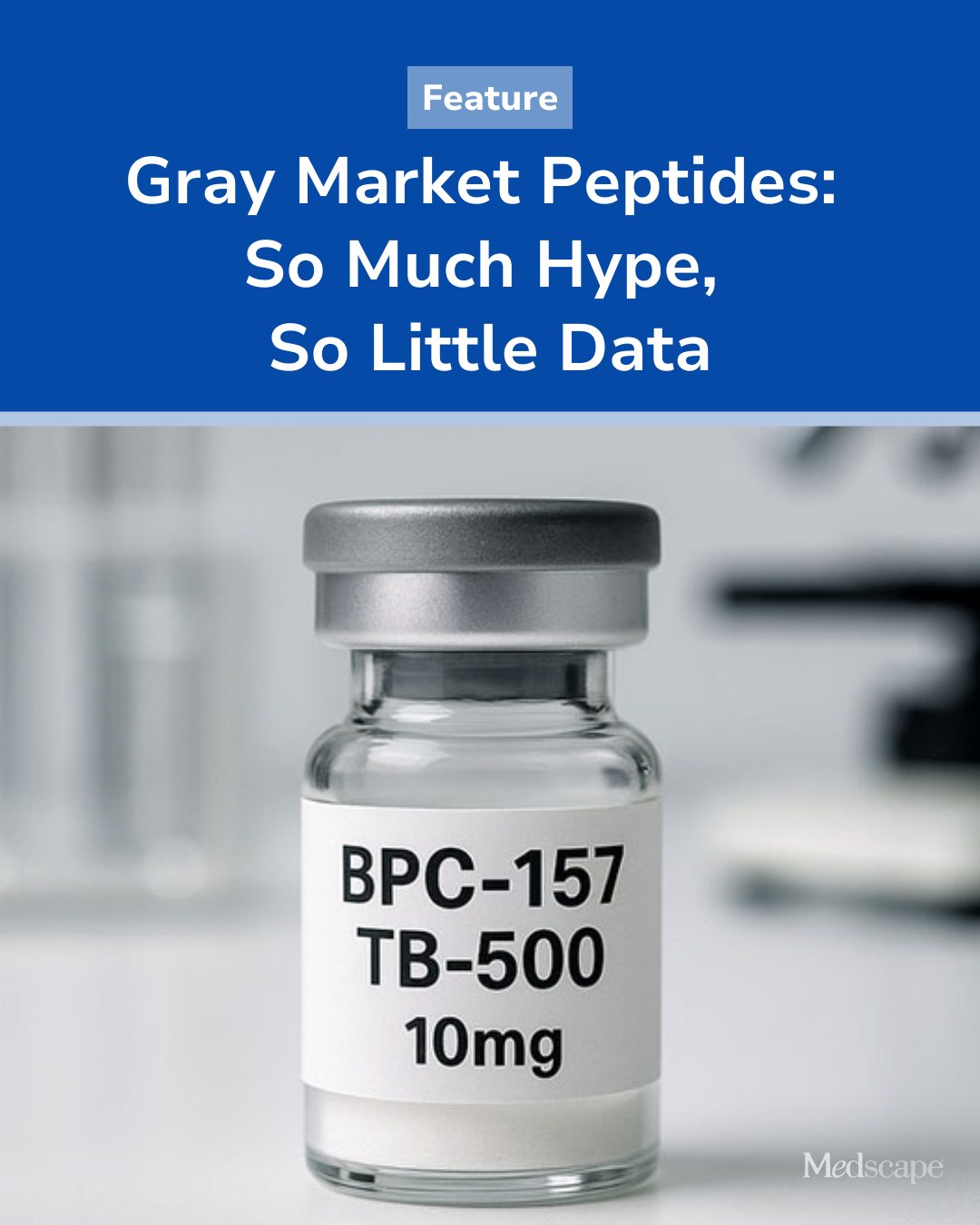
Product image reference
Below is the product image you provided:
FAQ
How do I know the BPC-157 I’m buying is actually the real material?
You can’t confirm identity purely from a name on a website. The practical method is to require a batch-specific COA that includes identity-related testing and numeric results, and to verify the lot/batch number on the COA matches the vial you receive.
What should I look for on a COA when buying BPC-157?
Look for batch/lot alignment, numeric purity, described testing methods, and reported results for relevant impurities/contaminants. If the COA is generic, missing key fields, or doesn’t match the batch on the product, treat it as a quality concern.
Is “research grade” enough for health-related goals?
“Research grade” generally describes a market category, not clinical-grade assurance. For health-related decisions, you should prioritize documentation quality, transparency, and—most importantly—talk with a qualified clinician who can integrate your situation safely.
Conclusion: your next step is to verify before you buy
If you only take one thing from this: bpc 157 how to buy should mean “how to buy with proof.” Prioritize batch-specific documentation, confirm COA-to-vial alignment, and assess shipping/handling practicality—especially in hot climates like Phoenix.
Actionable next step: Before placing an order, request the batch number and a matching COA for the exact lot you’re buying, then compare the lot on the document to the lot on the vial label when it arrives.
Discussion